12 Ways to Truly Extend Your Healthspan: Beyond the Wearable Trap
Updated: Jun 2
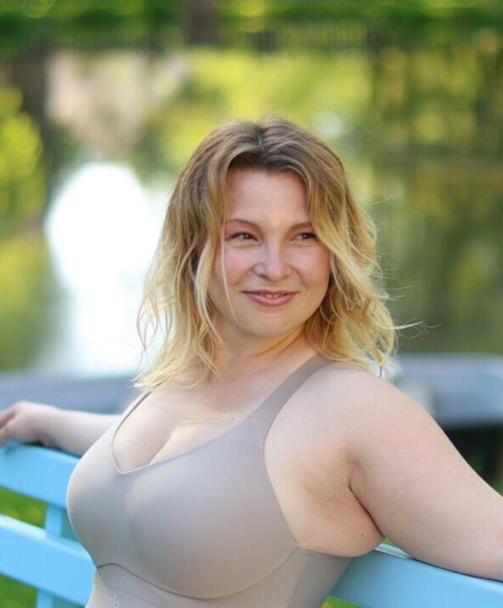
Written by Jana Schwalb, Somatic Neuro-Architect & Founder of Neurovitae®

Jana Schwalb is a longevity researcher and founder of the European-trademarked Neurovitae® system. Having built elite turnkey longevity programs for top-tier 5-star medical spas and hotel chains, she now brings her data-driven, sensory-focused somatic methods to Switzerland.
Today, longevity looks like an over-technologized playground for bored entrepreneurs. We are told that to live longer, we must wake up at 4:00 AM, maintain military discipline, and track every single macro. But true longevity icons are already among us—and they aren't scanning QR codes to eat. In the world’s Blue Zones, centenarians regularly enjoy a glass of local wine and fatty meat.
In this article, you will find 12 practical, neuro-scientifically sound strategies to liberate your longevity from technology addiction and step into true biological recovery.
What is Modern Longevity Anxiety?
Longevity anxiety is a modern psychological phenomenon where individuals become trapped in a loop of data-addiction, performance pressure, and sensory overload in the name of health. Despite optimal biomarker stats, they feel disconnected from their bodies and constantly fear "failing" their routines. This clinical stress response triggers the sympathetic nervous system, releasing cortisol and actively accelerating the biological aging they are trying to prevent.
What Causes the Longevity Trap?
The trap is caused by hyper-technologization, societal pressure to optimize every second, and a highly competitive wellness market that treats human bodies like machines. Recognizing that biological age is regulated by neural decompression, not data accumulation, is the first step toward true healthspan extension.
The Five Types of Over-Optimizers
The Data Perfectionist: Sets impossible bio-metric standards and feels like a failure if their sleep score drops by 5%.
The Routine Expert: Needs to read every clinical study and purchase every new gadget before simply going for a walk.
The Natural Burnout: Expects their body to effortlessly handle massive stress because they take 30 supplements a day.
The Isolated Soloist: Prefers solo biohacking labs over a shared dinner, forgetting that deep socialization is a primary longevity driver.
The Superhero Entrepreneur: Pushes themselves relentlessly through rigid ice baths and 4:00 AM routines at the expense of baseline joy.
12 Strategic Tips to Reclaim Your Longevity
1. Intuition is Higher Than Data
Data is useful, but an overload of it paralyzes the mind. When you become addicted to daily metrics, you lose the ability to naturally listen to your body. True neuro-regulation begins when you check in with your internal state before checking your phone.
2. Wearables Can Make You an Slave
Constant digital monitoring creates an underlying current of anxiety. If a device tells you that you slept poorly, your mind registers stress, which actively ruins your next night’s sleep. Use wearables strategically—measure in longer time blocks under identical conditions, never daily.
3. Routines Must Evolve With Your Biome
A protocol that worked for you during a Swiss winter will fail your nervous system during a humid summer in Thailand. Rigid routines lead to sensory friction. Your somatic practice must gracefully adapt to your current geographical location, life phase, and daily energy.
4. Prioritize Movement You Will Love in 30 Years
Solo gym sessions and isolated strength training have their place, but true physical longevity requires somatic diversity. If your current routine feels like a chore, your nervous system registers resistance. Cultivate fluid movement—like Move Alchemy—that brings raw kinetic pleasure.
5. Training in Your 30s is Great. Training in Your 70s is Mandatory.
Ask yourself honestly: Will you be able to maintain your current high-impact workout routine when you are seventy? True healthspan is built on progressive, sustainable adaptation. Shift your focus toward developmental kinesiology and joint longevity now.
6. Socialization Trumps Nootropics
While smart drugs and cognitive enhancers have their place in clinical data, they cannot replace the biological impact of genuine human connection. Data from senior longevity studies proves that individuals who share laughter and community outlive isolated optimizers every single time.

7. Choose Regional Botanicals Over Exotic Trends
Medicinal mushrooms and heavy adaptogens like Ashwagandha are excellent short-term tools. However, long-term epigenetic studies show that your body naturally utilizes and processes local, native herbs far more effectively. Return to your regional ecosystem.
8. Microdosing is a Tool, Not a Creative Crutch
While microdosing can temporarily heighten neuroplasticity and professional creativity, over-reliance can trick the brain into lowering its natural baseline production of neurotransmitters. True creative flow should be accessible through breath and sensory decompression alone.
9. Protocols are Great Servants, but Terrible Masters
A protocol should liberate your day, not dictate it. The moment a wellness routine causes you to cancel a spontaneous dinner with loved ones or feel guilty about resting, it has crossed the line from medicine to poison.
10. Joy is a Non-Negotiable Biomarker
If your path to longevity lacks somatic pleasure, it is biologically counterproductive. Centenarians thrive because they embrace life with a sense of ease. Do not trade the joy of living for the cold optimization of metrics.
11. Strategic Bio-Wellness Over Digital Smogu
Instead of piling on more wearable sensors, invest in passive, highly sensory technologies that actively soothe the parasympathetic nervous system, such as specialized infrared therapy and smart environmental design. Remove sensory friction from your immediate space.
12. Radical Self-Compassion is the Ultimate Biohack
Trying to transform your biology into a flawless robot is an act of internal aggression. Cultivating deep kindness toward your body’s natural fluctuations will lower systemic inflammation and extend your lifespan far more than a rigid, cold regime ever could.
Start Your Journey to True Neuro-Regulation Today
If you are ready to stop tracking and start truly living, break free from the shackles of hyper-technologized wellness. Whether you are seeking a complete B2B longevity framework for your resort or looking to join our highly exclusive somatic sessions in Switzerland, let us co-create a biological sanctuary that allows your nervous system to thrive.


Comments